Patagonia Worn Wear: The Value of Making Products Last
What happens when a clothing brand encourages customers to keep their products longer instead of buying new ones?
The Challenge
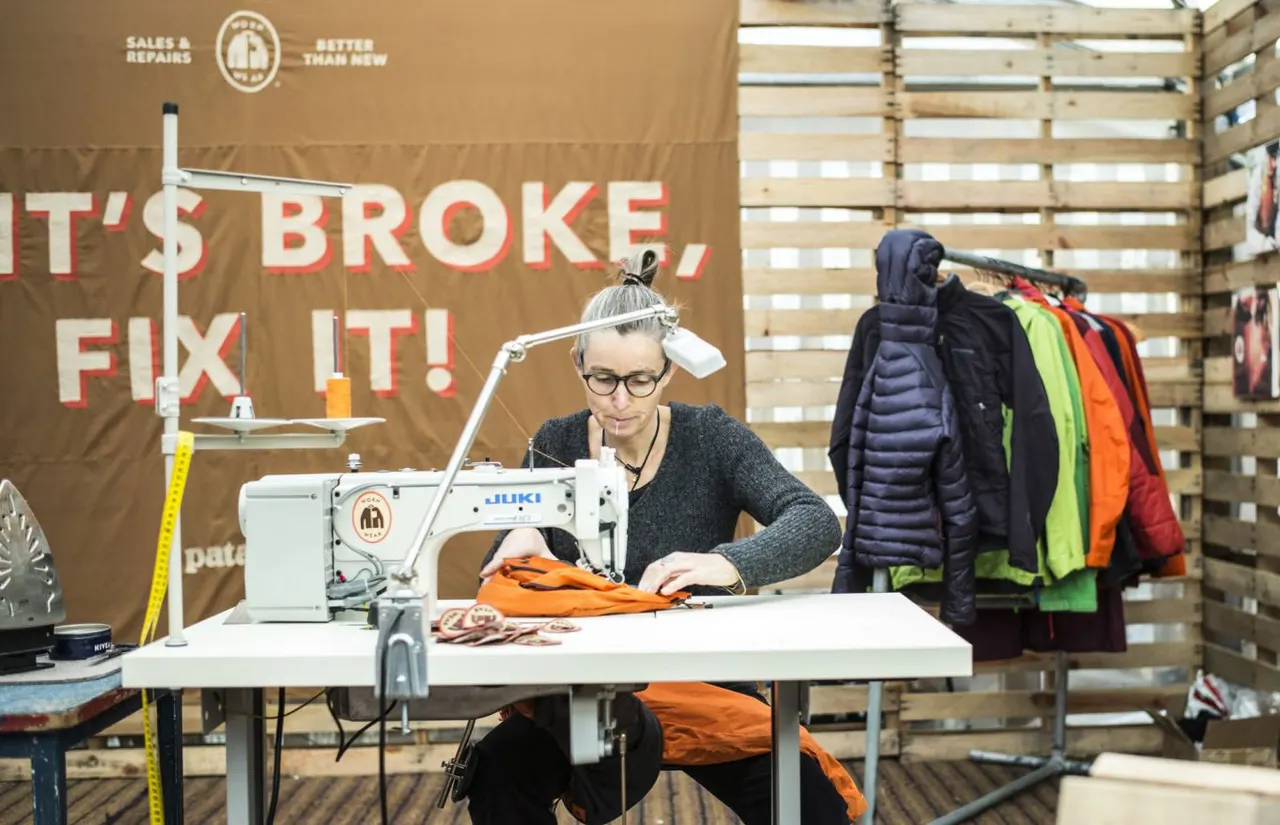
Worn Wear keeps Patagonia products in use through repair, trade-in and resale, with care and repair guides to help customers maintain their gear.
Most clothing businesses run on a familiar cycle: design, manufacture, sell, then launch the next collection. Patagonia asked a question that sounds almost uncomfortable for a clothing company: what if the best product is one customers rarely need to replace? A garment's journey does not end at checkout. It can wear out, get damaged or sit forgotten in a wardrobe.
Inside the Project
Worn Wear focuses on the part of the product lifecycle most brands ignore: everything that happens after the purchase.
Repairing the Relationship With the Product
Instead of treating damaged clothing as a reason to buy something new, Patagonia offers another path: repair what can be repaired, pass on what can still be used, and recycle when a product reaches the end of its life.
This links product quality to the experience customers have long after they bought it.
Why Product Longevity Matters
A product's value is not set on the day it is bought. Durability, function, repairability and staying useful over time all count.
The message is clear: Patagonia wants its products to stay useful well beyond the first transaction.
Sustainability Must Exist in the Product
Sustainability cannot be built through messaging alone. Material choices, construction, durability, supply chain decisions and product care all shape the environmental impact of apparel.
Repair programs also need real operational support: people, processes and products designed to be repaired. That is why responsible product development starts long before a marketing campaign.
Lessons for Growing Apparel Brands
- —Choose materials based on what the product actually needs
- —Consider durability during product development
- —Avoid complexity that compromises quality
- —Understand how customers will care for their products
- —Make sustainability claims specific and verifiable
- —Consider repairability and lifespan where relevant
Better Products Begin With Better Decisions
At Shirtual, product development is more than choosing a design. Fabric, construction, printing and finishing all affect how a product performs and how it represents a brand. Thoughtful decisions help brands make merchandise people value well beyond its first impression.
Sources
- —Patagonia: Worn Wear
- —Patagonia: Shop Informed
- —Patagonia: Worn Wear Recycling
- —Cover image via Gearist
The Results
The Outcome
Sustainability has to live in the product, not only in the message. A growing brand does not need a repair program on day one. It can start with better decisions about materials, construction and quality, and make every sustainability claim specific and verifiable.
In Their Words
“Care and repair become part of the brand experience, not something customers have to figure out on their own.”